
The Impact of Iron Deficiency on Pregnancy Outcomes You Should Know
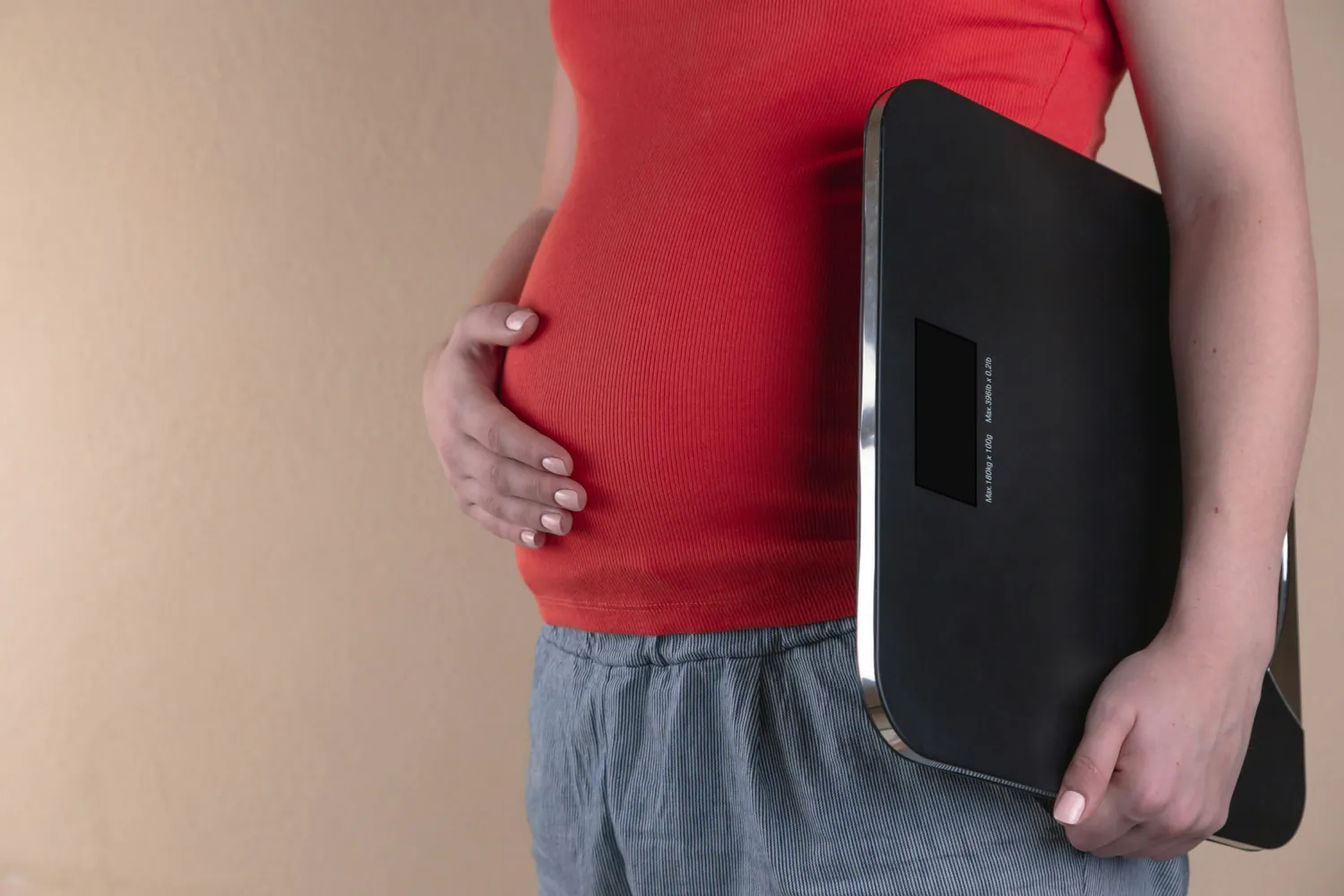
Understanding Iron's Role in Pregnancy
Iron is a crucial nutrient during pregnancy, playing an indispensable role in supporting both maternal and fetal health. Expectant mothers require higher amounts of iron to support the increased blood volume, fetal development, and to prepare for blood loss during childbirth.
Insufficient iron intake can lead to iron-deficiency anemia, which is associated with adverse pregnancy outcomes including preterm delivery, low birth weight, and even developmental issues in infants.
Why Iron Matters More Than Ever During Pregnancy
The body uses iron to produce hemoglobin, the protein in red blood cells that carries oxygen to tissues. During pregnancy, a woman's blood volume increases by about 50%, necessitating additional iron to meet the body's demands. This surplus is needed not only to support the mother's increased blood volume but also to supply the growing fetus and placenta with oxygen and nutrients.
Moreover, adequate iron levels are crucial in supporting the development of the baby's brain and nervous system. A deficiency during critical periods of development can lead to long-term neurological deficits. Thus, maintaining sufficient iron levels is a cornerstone of prenatal care.
The Consequences of Iron Deficiency
Iron deficiency is the most common nutritional deficiency worldwide and is especially prevalent among pregnant women. The symptoms of iron-deficiency anemia can include fatigue, weakness, dizziness, and shortness of breath. However, these symptoms might often be mistaken for typical pregnancy discomforts, delaying diagnosis and intervention.
Impacts on Mother and Child
- For Mothers: Iron deficiency can exacerbate feelings of tiredness and lead to severe anemia, increasing the risk of infections and complications during delivery.
- For Babies: Infants born to iron-deficient mothers are at a higher risk for premature birth and low birth weight, both of which are critical factors for neonatal morbidity and mortality.
Furthermore, some studies suggest that maternal anemia may affect a child’s cognitive and behavioral development later in life, underlining the importance of addressing this issue before it manifests into serious complications.
Assessing Iron Content in Prenatal Supplements
Prenatal vitamins are formulated to provide essential nutrients required during pregnancy, with iron being one of the key components. However, not all prenatal vitamins contain adequate amounts of iron. Therefore, it is crucial for expectant mothers to understand how to assess iron content in their supplements.
Reading Labels Correctly
When choosing a prenatal vitamin, it is essential to read the label carefully. The recommended daily allowance (RDA) for iron during pregnancy is about 27 mg per day. Here are some tips for evaluating iron content:
- Check the % Daily Value: The daily value percentage on supplement labels will indicate how much of the RDA a single dose provides.
- Look for Ferrous Forms: Ferrous sulfate, ferrous gluconate, and ferrous fumarate are common forms of supplemental iron that have varying bioavailability levels. Ferrous fumarate tends to have higher bioavailability compared to other forms.
- Avoid High Calcium Doses Simultaneously: Calcium can inhibit iron absorption; therefore, consider taking them at different times if they’re included together in high doses within the supplement.
Strategies for Increasing Iron Intake Naturally
In addition to taking prenatal vitamins, dietary strategies can help increase iron intake. Foods rich in heme iron (from animal sources) are more readily absorbed by the body compared to non-heme iron (from plant sources).
Incorporating Iron-Rich Foods
Here are practical steps you can take to increase your dietary iron intake:
- Include Red Meat: Lean cuts of beef or lamb are excellent sources of heme iron.
- Add Leafy Greens: Spinach and kale provide non-heme iron; pairing them with vitamin C-rich foods like oranges can enhance absorption.
- Select Fortified Foods: Many cereals and bread are fortified with iron; check labels to ensure you're getting enough.
A balanced diet complemented with a well-chosen prenatal supplement can help mitigate risks associated with iron deficiency.
The Role of Healthcare Providers
Your healthcare provider plays a pivotal role in managing your nutritional status throughout pregnancy. Regular blood tests can monitor hemoglobin levels and detect any deficiencies early on. In cases where diet and standard prenatal vitamins don't suffice, healthcare providers may recommend higher-dose iron supplements or intravenous treatments.
Consultations and Follow-Ups
It's important for expectant mothers to have regular consultations with their healthcare providers to discuss their nutrition plan. Topics such as dietary habits, lifestyle factors, and any symptoms of deficiency should be openly discussed. Proactive management can prevent complications and ensure a healthy pregnancy.
Conclusion
The impact of iron deficiency on pregnancy outcomes cannot be overstated. Ensuring adequate intake through a combination of dietary adjustments and carefully selected prenatal vitamins is crucial for maternal and fetal health. By understanding how to assess the iron content in supplements and incorporating dietary strategies, expectant mothers can significantly reduce the risk of adverse outcomes associated with iron deficiency.