
Practical Tips for Ensuring the Safety of Herbal Vitamin Supplements
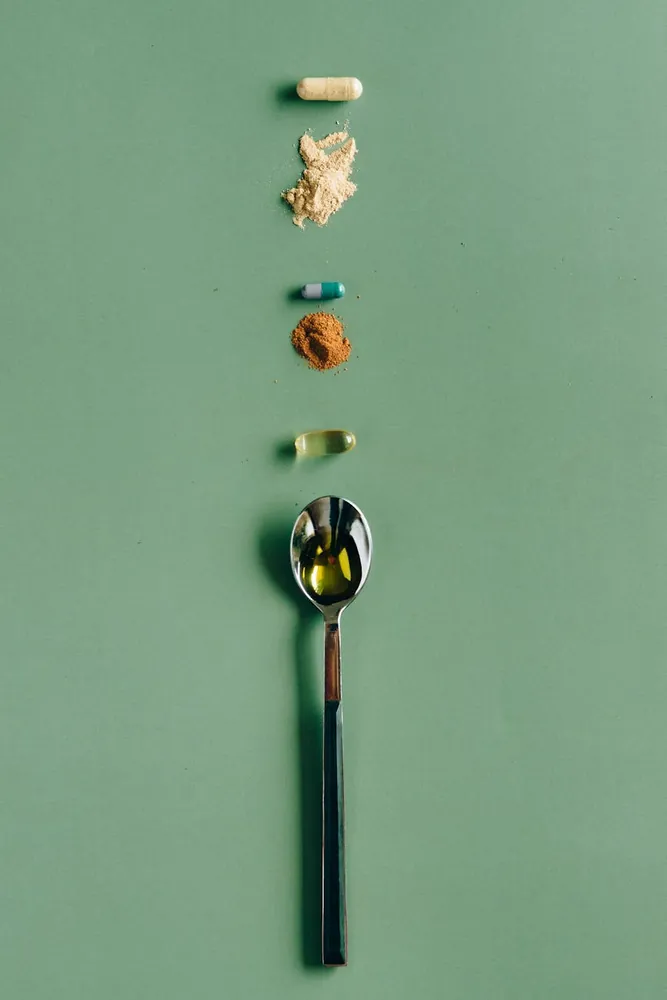
The Growing Popularity of Herbal Vitamin Supplements
The market for herbal vitamin supplements has been expanding rapidly, fueled by a growing preference for natural products and a desire for holistic health solutions. These supplements often promise benefits like enhanced energy, improved immunity, and better overall wellness.
However, as demand rises, so do concerns about their safety and quality.
Consumers must be vigilant, especially since herbal supplements are not as stringently regulated as pharmaceutical drugs. The possibility of contaminants or adulterated products entering the market is a significant concern. Understanding the safety framework for these supplements is crucial to ensuring consumer health and well-being.
Potential Contaminants in Herbal Supplements
Herbal vitamin supplements can be susceptible to various contaminants due to factors such as environmental exposure, agricultural practices, and inadequate processing. Common contaminants include heavy metals like lead and arsenic, pesticides from farming practices, and microbial contaminants like bacteria and molds.
A notable example of contamination was the 2013 case where several herbal products were found to contain dangerous levels of cadmium, a toxic metal. This incident highlighted the critical need for proper testing and validation before such products reach consumers.
Sources of Contamination
- Soil and Water: Plants grown in contaminated soil or irrigated with polluted water can absorb harmful substances.
- Harvesting and Processing: Poor handling and processing methods can introduce or fail to remove contaminants.
- Packaging and Storage: Inadequate packaging can expose products to moisture and microorganisms.
Evaluating the Safety of Herbal Supplements
To ensure the safety of herbal vitamin supplements, consumers should adopt a systematic approach that includes evaluating the sourcing, testing, and certification of these products.
Sourcing: Understanding the Origin
Knowing where and how an herb is sourced can provide insights into its potential purity. Reputable companies often provide transparency about the origins of their ingredients. For instance, ginseng grown in controlled farms with organic certification might be less prone to contamination compared to those harvested from wild sources.
- Tip: Look for labels indicating organic certification or sustainably sourced materials, which often reflect better agricultural practices.
Testing: The Role of Third-Party Verification
Third-party testing is an essential step in verifying the quality and safety of herbal supplements. Independent laboratories assess these products for purity, potency, and contamination levels. Brands that engage in such testing typically display a certification seal on their packaging.
An example of rigorous testing can be seen with turmeric supplements, which are frequently checked for lead contamination due to the plant's propensity to absorb heavy metals from the soil.
- Tip: Look for seals from organizations like NSF International or US Pharmacopeia (USP), which indicate comprehensive third-party testing.
Certification: A Mark of Assurance
Certification from recognized bodies assures that a product meets established safety standards. Certified products undergo strict assessment processes that cover ingredient sourcing, manufacturing practices, and final product evaluation.
The ConsumerLab.com certification is one example where supplements are tested annually for active ingredients' authenticity, potential contaminants, and overall product quality.
- Tip: Seek out certifications that go beyond basic compliance, focusing on ones that include periodic reassessment to ensure ongoing product quality.
A Practical Framework for Consumers
Armed with the knowledge of sourcing, testing, and certification, consumers can make informed decisions when selecting herbal vitamin supplements. Here’s a practical framework to guide this process:
Step 1: Research and Verify
Begin by researching the brand's history and reputation. Reliable brands often have extensive information about their sourcing and quality assurance practices on their websites.
- Example: If you’re considering an echinacea supplement for immune support, investigate how the brand harvests and processes this herb. Does it follow GMP (Good Manufacturing Practices)? Are there user reviews or expert endorsements?
Step 2: Inspect Labels Carefully
The label provides crucial information about what you're consuming. Check for both active ingredients and any fillers or additives that may pose risks.
- Example: A label stating "no artificial colors or preservatives" along with a detailed ingredient list is preferable. Be wary of vague terms like "proprietary blend" without further explanation.
Step 3: Confirm Third-Party Testing
Look for evidence of third-party verification directly on the product packaging or via the company’s website. This testing should cover a broad range of potential contaminants.
- Example: Products with seals from reputable labs provide added peace of mind regarding quality control measures. Verify these claims through direct contact with the certifying body if necessary.
Step 4: Consider Cross-Reactivity and Interactions
Herbal supplements can interact with other medications or exacerbate certain health conditions. Consulting with a healthcare professional before beginning any new supplement regimen is wise.
- Example: St. John's Wort is known for affecting the metabolism of various prescription drugs, including antidepressants and contraceptives. Awareness and consultation can prevent adverse reactions.
The Role of Regulation in Herbal Supplement Safety
The regulatory landscape for herbal supplements varies widely across regions. In many countries, these products are regulated under food laws rather than drug laws, leading to less stringent oversight.
The United States, for instance, classifies dietary supplements under the Dietary Supplement Health and Education Act (DSHEA) of 1994. While manufacturers are responsible for ensuring product safety before marketing, the FDA steps in only after a product reaches the market if issues arise. This reactive approach underscores the importance of consumer vigilance.
Regulatory Developments
Recent efforts are underway globally to enhance the regulation of herbal supplements. These include improved labeling requirements, stricter manufacturing standards, and increased post-market surveillance to identify adverse events more swiftly.
- Tip: Stay updated on regulatory changes that may affect product availability or safety profiles in your region by following relevant authorities such as the FDA or European Medicines Agency (EMA).
Conclusion: Navigating the Herbal Supplement Landscape Safely
The allure of herbal vitamin supplements lies in their promise of natural health benefits. However, ensuring their safety involves diligent research and cautious selection processes by consumers. By emphasizing sourcing transparency, third-party testing, and proper certification, individuals can minimize risks associated with these products while maximizing their potential health benefits.