
Identifying Quality Assurance in Non-FDA Approved Vitamin Brands
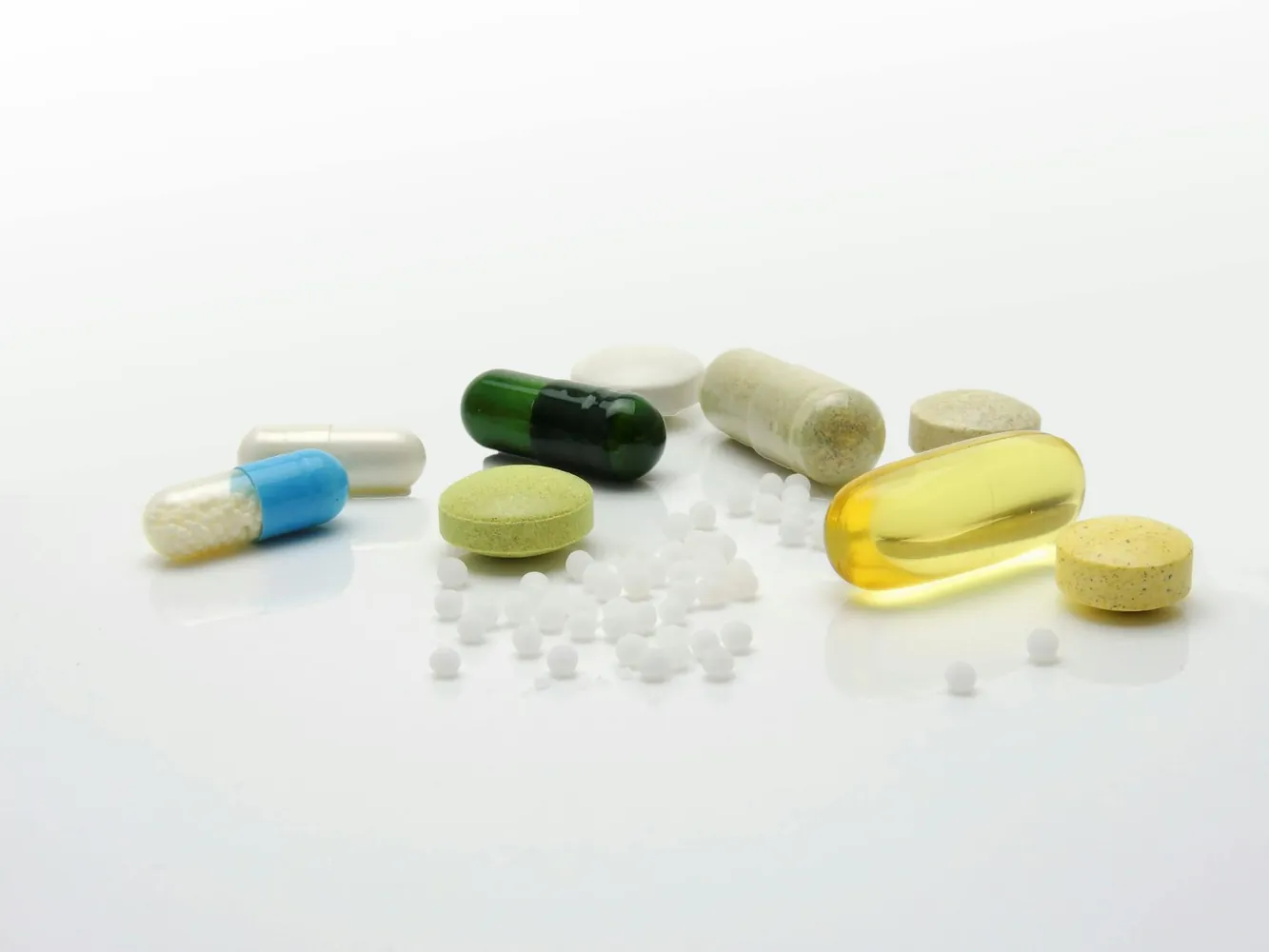
Understanding the Risks of Non-FDA Approved Vitamin Supplements
In a world where health-conscious consumers are increasingly turning to supplements to boost their well-being, the market for vitamins has exploded. However, many of these products, particularly those not approved by the FDA, come with risks.
These risks include potential contamination and a lack of evidence supporting their efficacy.
The FDA does not regulate dietary supplements in the same rigorous manner as pharmaceuticals. This means that supplements can be sold without prior approval from the agency, placing the burden on manufacturers to ensure safety and efficacy. Unfortunately, not all manufacturers adhere to high standards, leading to products that may contain harmful substances or fail to deliver on their promises.
The Contamination Conundrum
Contamination can occur during the manufacturing process due to poor quality control practices. For example, in 2018, a study by the Journal of the American Medical Association found that over 700 dietary supplements were contaminated with pharmaceuticals. These contaminants included prescription drugs like sildenafil (used for erectile dysfunction) and sibutramine (an appetite suppressant removed from the market due to safety concerns).
To further illustrate the issue, consider a small vitamin manufacturer based in California. This company marketed a multivitamin touted as "all-natural," yet subsequent independent testing revealed traces of heavy metals such as lead and cadmium. Such contaminants pose significant health risks, particularly when consumed over extended periods.
Assessing Product Safety: The Role of Independent Testing
For consumers seeking assurance about the quality of their vitamins, independent testing offers a solution. Third-party organizations conduct tests to verify the contents and purity of supplements, providing valuable insights into whether a product meets safety and efficacy standards.
Key Certifications to Look For
- USP Verified: The United States Pharmacopeia (USP) verification mark ensures that a supplement contains the ingredients listed on its label in the declared potency and amounts. It also guarantees that the product does not contain harmful levels of contaminants.
- NSF International Certification: NSF provides certification for dietary supplements, which verifies the product's ingredient composition and checks for contaminants. NSF also ensures that manufacturing processes comply with Good Manufacturing Practices (GMP).
- ConsumerLab.com Approval: Known for its comprehensive testing and transparent reporting, ConsumerLab.com offers certifications that indicate a supplement meets high standards for identity, strength, purity, and disintegration.
These certifications help consumers identify reliable products in a crowded market full of substandard options.
Navigating Supplement Labels: What to Watch Out For
Reading labels on vitamin supplements requires more than just checking active ingredients. A closer look can reveal much about a product's overall safety and quality.
Spotting Red Flags
- Mystery Proprietary Blends: Be wary of products listing proprietary blends without disclosing specific ingredient amounts. This lack of transparency makes it challenging to assess whether a supplement provides effective doses.
- Pseudoscientific Claims: Statements like "miracle cure" or "scientifically proven" without citations or evidence should raise alarms. Authentic products rely on well-researched ingredients with scientific backing.
- Lack of Contact Information: Reliable manufacturers provide clear contact information for consumer inquiries. If a brand lacks this transparency, it might not be trustworthy.
A practical example is an online retailer specializing in herbal supplements. Many products boast vague health claims with no clinical trial data or references to peer-reviewed studies. Such marketing tactics should prompt skepticism among discerning consumers.
Practical Tips for Choosing Safe Supplements
With these challenges in mind, here are some actionable steps consumers can take to ensure they select safe and effective non-FDA approved vitamin supplements:
1. Research the Manufacturer
Before purchasing any supplement, research the company's background. Reputable brands often have a history of positive customer feedback and transparent business practices.
2. Verify Third-Party Testing
As discussed earlier, look for third-party certifications. These offer independent verification of a product's quality.
3. Consult Healthcare Professionals
Discuss any new supplement regimen with healthcare providers who can offer guidance based on individual health needs and potential interactions with other medications.
4. Monitor Personal Health Effects
After starting a new supplement, monitor any changes in your health and report adverse effects to your healthcare provider immediately.
A Real-Life Scenario: Choosing Wisely
Consider Jane, a health enthusiast interested in boosting her immune system with vitamin C supplements during flu season. After extensive research, she narrowed her options to two brands: Brand A, with a USP verification mark, and Brand B, boasting cheaper prices but no certifications. Jane chose Brand A despite its higher cost, prioritizing safety and efficacy over savings.
The Future of Vitamin Supplement Safety
As consumer awareness grows, demand for transparency and quality assurance will continue to shape the vitamin supplement industry. Manufacturers focusing on ethical practices and earning reputable certifications will likely see increased trust and loyalty from consumers.
In conclusion, while non-FDA approved vitamin supplements present certain risks, informed decisions guided by independent testing and diligent research can mitigate these concerns. By emphasizing quality assurance, consumers empower themselves to make choices that promote health and wellness responsibly.