
How to Boost Skin Health with DIY Vitamin C and Antioxidant Serums
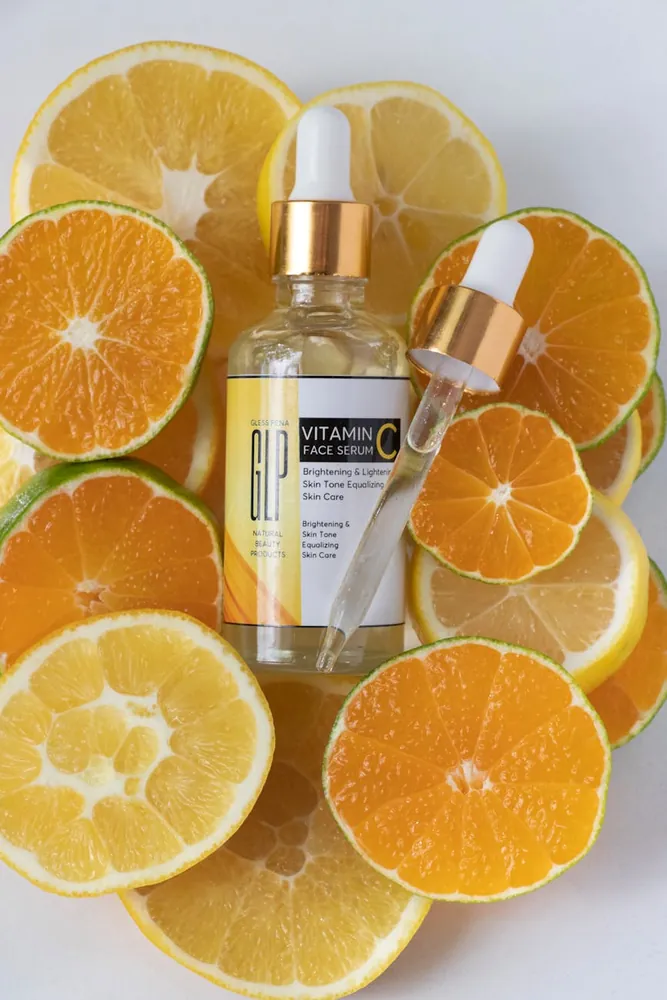
The Role of Vitamin C in Skin Health
Vitamin C is a potent antioxidant renowned for its multiple benefits in skincare. It is essential for the synthesis of collagen, a protein that helps maintain skin's firmness and elasticity. Moreover, vitamin C aids in protecting the skin from the damaging effects of free radicals and UV radiation.
Topically applied vitamin C can brighten skin tone, reduce hyperpigmentation, and enhance overall radiance. However, it is most effective when combined with other antioxidants, as these combinations can provide even greater protection against environmental stressors.
Synergistic Benefits of Combining Vitamin C with Other Antioxidants
Combining vitamin C with antioxidants like vitamin E and ferulic acid can significantly enhance its effectiveness. This combination not only boosts skin health but also extends the stability of vitamin C, making the serums more effective over time.
Vitamin E: The Complementary Antioxidant
Vitamin E is another powerful antioxidant that plays a crucial role in neutralizing free radicals and nourishing the skin. It works synergistically with vitamin C, enhancing each other’s antioxidant effects. Vitamin E also aids in hydrating the skin, giving it a smooth, supple texture.
Ferulic Acid: The Stabilizer
Ferulic acid is an organic compound found in plant cell walls that enhances the stability of vitamins C and E. When combined in a serum, ferulic acid can improve the longevity and effectiveness of these antioxidants, making them more potent in protecting the skin from oxidative stress.
Creating Your DIY Vitamin C Serum
Making your own vitamin C serum at home can be a cost-effective and rewarding way to ensure you are using fresh, potent ingredients on your skin. Here’s a simple guide to crafting an antioxidant-rich serum:
Ingredients
- 1 teaspoon of L-ascorbic acid powder (pure vitamin C)
- 1 teaspoon of vitamin E oil
- 1 teaspoon of ferulic acid
- 2 tablespoons of distilled water or rose water
- A dark glass bottle for storage
Instructions
- Step 1: In a small bowl, dissolve 1 teaspoon of L-ascorbic acid in 2 tablespoons of distilled water. Stir well until completely dissolved.
- Step 2: Add 1 teaspoon of vitamin E oil and mix thoroughly.
- Step 3: Add 1 teaspoon of ferulic acid to the mixture and stir until fully incorporated.
- Step 4: Transfer the serum into a dark glass bottle to protect it from light, which can degrade the vitamin C.
This homemade serum can be stored in a cool, dark place for up to two weeks. Always perform a patch test before applying new formulations to your face to ensure there are no adverse reactions.
Applying Your DIY Serum for Optimal Results
To maximize the benefits of your DIY vitamin C serum, apply it correctly within your skincare routine. Here’s how:
Application Tips
- Use the serum in the morning after cleansing and toning, as it will help protect against environmental damage throughout the day.
- Apply a few drops to your face, neck, and décolleté, and gently massage into the skin.
- Follow with a moisturizer and sunscreen for added protection.
Potential Trade-offs and Considerations
While DIY serums can be effective and customizable, there are trade-offs to consider. Homemade serums might not match the stability and shelf-life of commercial products due to potential variability in ingredients and preparation methods. Using precise measurements and ensuring that all ingredients are fresh can help mitigate some of these issues.
It's also important to note that not all skin types may respond well to homemade preparations. Individuals with sensitive skin should be particularly cautious and perform patch tests before full application. Consulting with a dermatologist before introducing new elements into your skincare routine can provide personalized advice tailored to your specific needs.
Conclusion
The combination of vitamin C with antioxidants like vitamin E and ferulic acid can substantially boost skin health by offering enhanced protection against oxidative stress, improving skin tone, and supporting collagen synthesis. Crafting a DIY serum allows you to tailor the formulation to your preferences while enjoying the synergy of these powerful ingredients. Whether you choose to make your own or opt for commercial products, integrating such antioxidants into your skincare regimen can lead to healthier, more radiant skin.