
Maximizing Bone Health: The Vital Functions of Vitamin D You Should Know
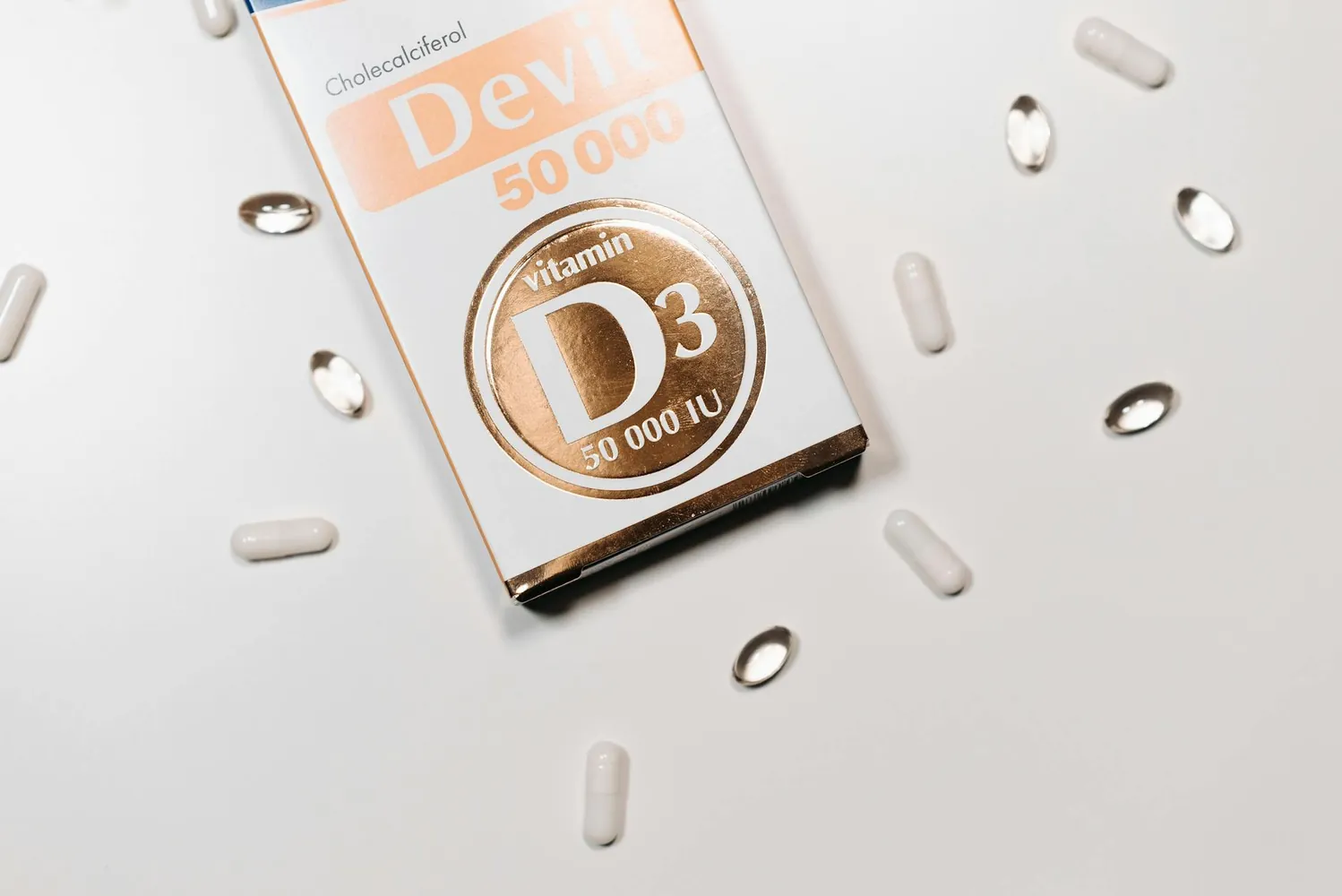
The Essential Role of Vitamin D in Bone Health
Vitamin D, often referred to as the "sunshine vitamin," is critical for maintaining bone health. It facilitates the absorption of calcium and phosphorus, essential minerals that help build and maintain strong bones.
Without adequate vitamin D, bones can become thin, brittle, or misshapen, a condition known as rickets in children and osteomalacia or osteoporosis in adults.
How Vitamin D Works
Vitamin D promotes calcium absorption in the gut and maintains adequate serum calcium and phosphate concentrations, which support normal mineralization of bone. In collaboration with other vitamins, minerals, and hormones, vitamin D also plays an integral role in bone remodeling, a lifelong process where mature bone tissue is removed and new bone tissue is formed.
- Calcium Regulation: By increasing the intestinal absorption of calcium, vitamin D ensures that bones remain strong and dense.
- Bone Remodeling: This process involves the resorption of old bone and the formation of new bone, crucial for skeletal maintenance and repair.
For instance, if you have a cut or fracture, vitamin D is partly responsible for ensuring that the healing process proceeds efficiently through the regulation of calcium and phosphate levels.
Vitamin D and Immune Support
Beyond bone health, vitamin D also plays a significant role in immune support. It modulates both the innate and adaptive immune responses. Vitamin D receptors are expressed on immune cells, such as B cells, T cells, and antigen-presenting cells; thus, it can modulate the immune response.
Immune Function Benefits
Research indicates that vitamin D can enhance pathogen-fighting effects of monocytes and macrophages — white blood cells that are important parts of your immune defense — and decreases inflammation.
- Respiratory Health: Studies suggest that vitamin D supplementation may reduce the risk of respiratory infections by strengthening immune defenses.
- Inflammation Reduction: By reducing inflammatory markers, vitamin D may alleviate symptoms of inflammatory diseases.
An example scenario could involve a person with a vitamin D deficiency who experiences frequent colds. Upon correction of their deficiency through safe supplementation, they may notice a decrease in the frequency or severity of their illnesses.
Benefits Versus Risks of Supplementation
While vitamin D supplementation can offer substantial benefits, there are potential trade-offs if taken excessively. An excessive intake can lead to toxicity, characterized by hypercalcemia (excessive calcium in the blood), which can cause nausea, vomiting, weakness, and serious complications like kidney damage.
Safe Supplementation Practices
It is crucial to achieve a balance between obtaining sufficient vitamin D without surpassing the recommended daily allowance unless supervised by a healthcare provider.
- Consultation: Consult with a healthcare provider to check your current vitamin D levels through a blood test before starting supplementation.
- Dosing: Adhere to the recommended dosages unless advised otherwise; generally 600-800 IU/day for adults, though this can vary based on individual needs and medical guidance.
A practical approach could include setting reminders to ensure consistent intake when advised by a professional and integrating dietary sources like fatty fish or fortified foods into your diet to maintain natural levels of vitamin D.
Conclusion: Prioritizing Bone Health Through Informed Choices
In summary, vitamin D plays a crucial role not just in maintaining strong bones but also in supporting the immune system. By understanding its functions and being aware of the potential risks associated with excessive supplementation, individuals can make informed decisions about their health strategies. Combining regular health checks with sensible dietary habits ensures that vitamin D serves its purpose effectively without adverse effects.